

Have you ever stood before a 2.6-metre crystal Shiva Linga and felt time slow down? That’s the moment waiting for you at Draksharamam Temple, one of the five sacred Pancharama Kshetras on the banks of the Godavari in Andhra Pradesh.
Also known as Bhimeswara Swamy Temple, this shrine is dedicated to Lord Shiva and Goddess Manikyamba Ammavaru. It’s revered as a Shakti Peetha, honored as Dakshina Kashi, and rooted in the ancient legend of Draksharamam temple history involving Daksha and Sati.
Draksharamam Temple: Location and Overview
Draksharamam Temple stands in Draksharamam village, within the Konaseema district of Andhra Pradesh, on the eastern bank of the Godavari River. It is one of the region’s most visited pilgrimage sites, drawing devotees from across South India throughout the year.
The temple is dedicated to Sri Bhimeswara Swamy Vari Temple’s presiding deity, Lord Shiva as Bhimeswara, alongside Goddess Manikyamba. Its historical and religious weight makes it a must-visit stop for anyone exploring temple towns in this part of Andhra Pradesh.
Address and Map Coordinates
- Address: Sri Bhimeswara Swamy Temple, Draksharamam, Ramachandrapuram Mandal, Konaseema District, Andhra Pradesh, India
- Approximate coordinates: 16.79°N, 82.06°E
- Google Maps search term: “Draksharamam Temple” or “Bhimeswara Swamy Temple, Draksharamam”
Note: Always confirm the exact pincode and coordinates on Google Maps before travel, as listings can vary slightly across sources.
Distance from Kakinada, Rajahmundry, Amalapuram
| Starting Point | Approx. Distance | Travel Option |
| Kakinada | 25–28 km | Bus / Taxi |
| Rajahmundry | 40–50 km | Bus / Train + Taxi |
| Amalapuram | 25–35 km | Bus / Auto |
Distances vary slightly by source and route , verify current road distance with a maps app before your trip.
Draksharamam Temple History
The Draksharamam temple’s history dates back over a thousand years, making it one of the oldest living pilgrimage sites in Andhra Pradesh. It is deeply tied to Shaivism and Shaktism, honoring both Lord Shiva and the divine feminine.
Temple records include roughly 381 inscriptions dating between 1080 CE and 1434 CE, documenting centuries of continuous worship and royal patronage.
Legend of Daksha and Sati
According to legend, Daksha Prajapati failed to invite Lord Shiva to his yagna, angering his daughter Sati, who attended anyway and immolated herself in protest. Shiva, in grief, is said to have manifested here as Bhimeswara. Draksharamam is also counted among the Shakti Peethas, sacred sites where parts of Sati’s body are believed to have fallen.
Chalukya Construction and Dynasty Patronage
The temple is traditionally attributed to the Eastern Chalukya king Bhima I, built around the 9th century CE. Over subsequent centuries, it received patronage and additions from several South Indian dynasties, including the Cholas, Kakatiyas, Reddys, and Vijayanagara kings, cementing its place as a major Shaiva pilgrimage center.
Religious and Architectural Significance
Draksharamam holds a rare dual religious identity , it is one of the five Pancharama Kshetras and simultaneously one of the Ashta Dasha Shakti Peethas of India. Few temples in Andhra Pradesh carry this combined significance.
The architecture reflects classic South Indian temple design, with a fortified, two-storied structure that has withstood centuries of use and renovation.
Pancharama Kshetra and Shakti Peetha Status
Draksharamam is the second of the five Pancharama Kshetras, alongside Amararama, Somarama, Ksheerarama, and Kumararama temples. As a Shakti Peetha, it is also linked to Goddess Manikyamba, worshipped here as a form of the divine feminine.
Spatika Linga and Temple Architecture
The presiding deity is enshrined as a Spatika Linga , a crystal Shiva Linga believed to be self-manifested (Swayambhu) rather than installed. The temple complex has two prakarams (enclosures), four gopuram entrances facing the cardinal directions, and mandapas built largely from granite, with intricate stone carvings throughout the Garbhagudi and surrounding halls.
Draksharamam Temple Timings
Planning around the current darshan timings can help you avoid the afternoon closure and manage your visit more comfortably. Current listings show that Draksharamam Temple generally follows two daily darshan sessions, with the temple open from 6:00 AM to 12:00 PM and again from 3:00 PM to 8:00 PM.
The schedule can change during Masa Shivaratri, Maha Shivaratri, Karthika Masam, and other special occasions when additional rituals and larger crowds may affect normal timings. It’s best to confirm the day’s schedule locally before travelling, especially when planning around a specific pooja or festival.
Morning and Evening Darshan Hours
| Session | Current Timing |
| Morning Darshan | 6:00 AM – 12:00 PM |
| Afternoon Break | 12:00 PM – 3:00 PM |
| Evening Darshan | 3:00 PM – 8:00 PM |
| Temple Closing | 8:00 PM |
Timings may change on festival and special pooja days. Confirm the current schedule with the temple before visiting.
Aarti and Pooja Schedule
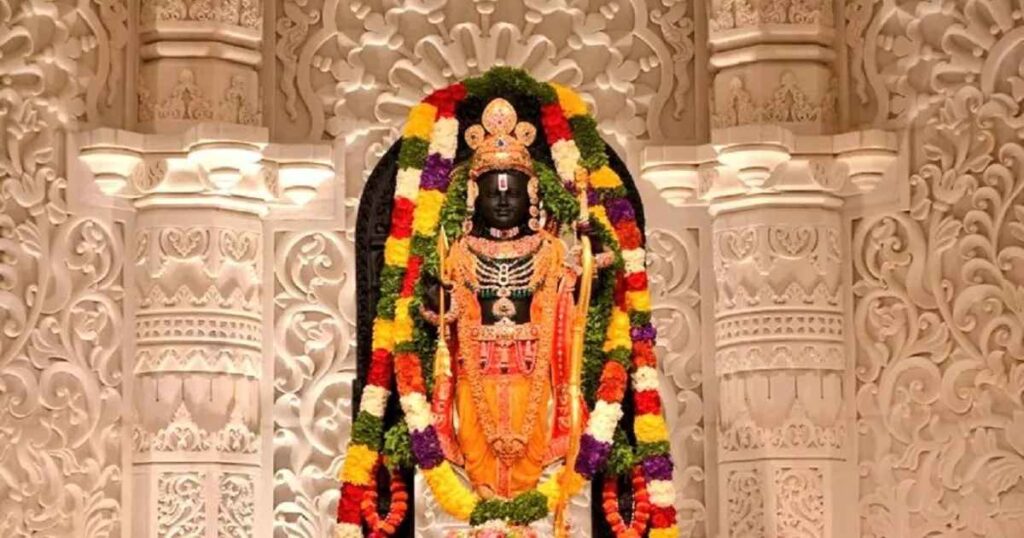
The daily worship schedule at Draksharamam Temple includes Abhishekam, Kumkumarchana, and aarti rituals dedicated to Lord Bhimeswara Swamy and Goddess Manikyamba Devi. Current published sources commonly place Abhishekam in the morning and list morning, noon, and evening aarti sessions.
Because detailed ritual timings are not consistently published across authoritative sources, the following schedule should be treated as a general planning guide rather than a guaranteed daily timetable. Special days can bring earlier starts, extended rituals, and changes to the regular schedule.
Abhishekam Time
Abhishekam is generally performed during the morning hours. Current temple-information sources list the regular Abhishekam period as 6:00 AM to 9:00 AM, while special occasions such as Karthika Masam and Masa Shivaratri may have extended morning timings.
| Occasion | Reported Timing |
| Regular Days | 6:00 AM – 9:00 AM |
| Karthika Masam / Masa Shivaratri | 5:00 AM – 11:00 AM |
Confirm the day’s Abhishekam availability and participation procedure at the temple before visiting.
Kumkum Archana Time
Kumkum Archana is associated with Goddess Manikyamba Devi, whose shrine is located within the temple complex. Current listings report morning and evening sessions, although exact timings may vary on special occasions.
| Session | Reported Timing |
| Morning | 6:00 AM – 10:00 AM |
| Evening | 3:00 PM – 8:00 PM |
Special festival schedules can differ, so verify the current timing and ticket procedure locally.
Aarti Time
Current temple-information sources commonly list three daily aarti sessions at 7:00 AM, 12:00 PM, and 7:00 PM. These timings may change during festivals or special temple events.
| Aarti Session | Reported Time |
| Morning Aarti | 7:00 AM |
| Afternoon Aarti | 12:00 PM |
| Evening Aarti | 7:00 PM |
Arrive early if you specifically want to attend an aarti or pooja, as ritual schedules and devotee access can vary on special days.
Draksharamam Temple Ticket Prices and Seva Charges
There’s good news for budget-conscious travelers: general darshan at Draksharamam Temple does not require an entry fee. Optional sevas and special poojas, however, come with nominal charges.
Seva prices are subject to revision, so treat the figures below as indicative rather than final.
Entry Fee and Donation Details
- General darshan: No entry fee
- Voluntary donations are accepted at temple counters and support Annadanam and temple maintenance
Abhishekam, Archana, Alankaram Rates
| Seva | Indicative Price |
| Suprabhatam | ₹50 |
| Abhishekam | ₹200 |
| Alankaram | ₹150 |
These seva charges are reported by third-party sources and may have changed. Please verify current rates at the temple counter or official portal before your visit.
Online and Offline Darshan Booking
Booking a seva or darshan slot in advance can save considerable time, especially during Maha Shivaratri or Karthika Masam. Draksharamam Temple offers both online seva booking and on-the-spot ticket counters.
Offline booking simply involves visiting the temple’s ticket counter near the entrance on the day of your visit.
How to Book via AP Temples Portal
- Visit the official AP Temples booking website
- Register as a devotee and log in
- Select “Bhimeswara Swamy Temple, Draksharamam” from the temple list
- Choose your darshan/seva type, date, and slot
- Enter pilgrim details and complete payment
- Save the confirmation received via SMS or email
Festivals Celebrated at Draksharamam Temple
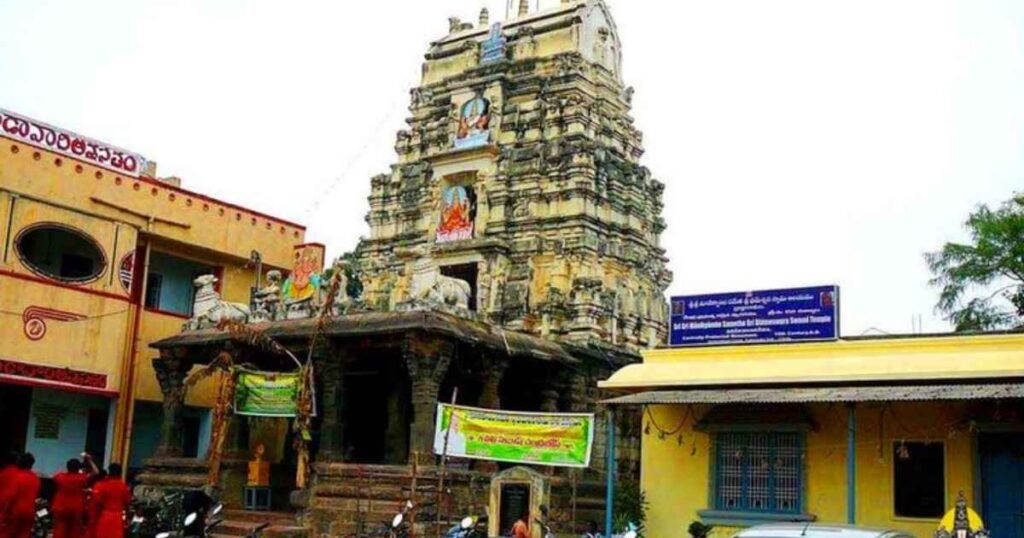
Festivals bring Draksharamam Temple to life with rituals, decorations, and large gatherings of devotees. Each occasion carries its own significance tied to Lord Shiva and Goddess Manikyamba.
Advance planning is essential if you intend to visit during a major festival, as accommodation and seva slots fill up quickly.
Maha Shivaratri and Karthika Masam
- Maha Shivaratri: The temple’s most significant festival, marked by special Abhishekams and overnight vigils
- Karthika Masam (Oct–Nov): A month-long period of heightened devotion, with daily deepam lighting and pradakshinas
- Other observances: Navaratri and Swamyvari Kalyanam, the ceremonial wedding of Bhimeswara Swamy and Manikyamba, are also celebrated
Exact festival dates change yearly based on the lunar calendar , check closer to your travel date.
How to Reach Draksharamam Temple
Getting to Draksharamam is straightforward whether you’re arriving from within Andhra Pradesh or travelling from further afield. The temple sits well within reach of major regional transport hubs.
Road connectivity is the most reliable option, with regular APSRTC buses linking the temple town to nearby cities.
Nearest Airport and Railway Station
- Nearest Airport: Rajahmundry Airport (RJA)
- Nearest Railway Station: Kakinada, with regional rail connections from Rajahmundry as well
By Road and Local Transport
- APSRTC buses run regularly from Kakinada, Rajahmundry, and Amalapuram
- Local autos and taxis are available at the bus stand and railway stations for the final stretch
- A parking facility is available on-site for two-wheelers and four-wheelers, though it gets crowded on festival days
Best Time to Visit Draksharamam
The ideal time to visit Draksharamam depends on what you’re looking for , quiet darshan or festival energy. Weekday mornings offer the calmest experience for most travelers.
Weather in this coastal Andhra region is warm for much of the year, making the cooler months more comfortable for temple visits.
Weather and Crowd Conditions
- Best season: October to February, when temperatures are milder
- Weekdays vs weekends: Weekdays see noticeably fewer crowds
- Festival season: Karthika Masam and Maha Shivaratri bring the largest crowds and extended timings
Nearby Places to Visit Near Draksharamam
Combining your temple visit with nearby attractions makes for a fuller Konaseema itinerary.
| Nearby Place | Approx. Distance | Why Visit |
| Kakinada | ~25–28 km | Coastal city with hotels, food, and beaches |
| Coringa Wildlife Sanctuary | Near Kakinada | Mangrove forest and birdwatching |
| Hope Island | Near Kakinada coast | Scenic coastal sandbar |
| Amalapuram | ~25–35 km | Gateway to Konaseema’s backwaters |
| Rajahmundry | ~40–50 km | Godavari riverfront and city attractions |
Accommodation Near Draksharamam Temple
The temple’s own Devasthanam offers modest lodging for pilgrims wanting to stay close to the sanctum for early darshan.
For more choices, nearby towns have a wider range of stay options across budgets.
- Temple Devasthanam rooms: AC and Non-AC rooms managed by the temple, generally at affordable rates
- Hotels in Kakinada: A range of budget to mid-range hotels, roughly 25–28 km away
- Guesthouses in Rajahmundry: Suitable if combining the temple visit with a longer Godavari trip
Room rates and availability change frequently , confirm directly with the temple office or hotel before booking.
Food, Prasadam and Annadanam
Draksharamam Temple runs a Nitya Annadanam program, offering free vegetarian meals to visiting devotees as prasadam. This is typically served after the morning darshan session.
Outside the temple, small local eateries and stalls near the entrance serve simple South Indian meals and snacks for travelers who want more variety.
Temple Rules, Dress Code and Photography
Respecting temple etiquette ensures a smoother visit for you and fellow devotees. Draksharamam follows fairly traditional expectations around dress and conduct.
- Dress code: Traditional attire is encouraged , dhoti or kurta for men, saree or salwar for women; avoid shorts, sleeveless tops, or western wear inside the sanctum
- Footwear: Must be removed and left in designated racks before entering
- Photography: Generally restricted inside the Garbhagudi (sanctum); outer areas may allow photos with permission
- Mobile phones: Often required to be switched off or stored outside near the sanctum
- Queue rules: Maintain your position during Shivalingam Darshanam, especially during festival crowds
Travel Tips for First-Time Visitors
A little preparation goes a long way toward making your Draksharamam visit smooth and unhurried.
- Arrive before 7:00 AM for a calmer, less crowded darshan
- Carry cash for donations, sevas, and local transport
- Wear comfortable footwear you can slip off easily
- Carry drinking water, especially during warmer months
- Book seva tickets online in advance during festival season
- Respect local customs and dress modestly throughout your visit
What to Carry and Visit Duration
- Carry: Water bottle, small towel, change for offerings, comfortable sandals
- Visit duration: Most pilgrims spend around 1.5–2 hours for darshan and a walk through the complex
Contact Information
If you need to contact the authorities at Draksharamam Temple, the Government of Andhra Pradesh lists the temple’s Executive Officer and official contact number. You can use these details to enquire about darshan, pooja schedules, festivals, and other temple-related information.
The official government temple page does not currently publish a separate temple email address or confirm an online darshan and seva booking portal. It is therefore better to contact the temple directly for the latest information before planning your visit.
- Temple: Sri Bhimeswara Swamy Temple, Draksharamam
- Address: Executive Officer, Sri Bhimeswara Swamy Temple, Draksharama, Ramachandrapuram Mandal, East Godavari District, Andhra Pradesh – 533262
- Phone Number: 08857-252488
- Managing Authority: Andhra Pradesh Endowments Department
- Official Information: Government of Andhra Pradesh temple portal
- Booking: Confirm current darshan or seva booking arrangements directly with the temple before making any payment.
You can call ahead to confirm the latest darshan timings, pooja schedules, festival arrangements, and other visitor information before travelling.
Read more:
Visit Pankala Narasimha Swamy Temple: A Journey of Faith
Tiruchanur Padmavati Devi Temple Timings
Sri Kanaka Mahalakshmi Temple : Powerful Goodness of Vizag
Frequently Asked Questions
What is Draksharamam famous for?
Draksharamam Temple is famous as one of the Pancharama Kshetras, dedicated to Bhimeswara Swamy, with Goddess Manikyamba worshipped as a Shakti Peetha deity.
Is Draksharamam a jyotirlinga?
No. Draksharamam is traditionally recognized as one of the five Pancharama Kshetras of Lord Shiva, rather than one of the twelve Jyotirlingas.
Is Draksharamam a Shakti Peeth?
Yes. The Andhra Pradesh government describes Sri Manikyamba of Draksharamam as the twelfth among the eighteen Shakti Peethas in traditional accounts.
Which body part of Sati fell in Draksharamam?
Traditional accounts associate Draksharamam with Goddess Manikyamba, but the government source does not specify a particular body part of Sati.
Where did Sati’s finger fall?
This question is not specifically established for Draksharamam in the official government account, which identifies Manikyamba as the twelfth of the eighteen Shakti Peethas.
Who fell in love first, Shiva or Sati?
This is a broader Hindu mythology question rather than a Draksharamam-specific fact; traditional stories describe Sati’s devotion and marriage to Shiva.
What are the visiting hours of Draksharamam Temple?
The temple generally opens for morning darshan from 6:00 AM to noon and reopens from 3:00 PM to 8:00 PM, subject to changes.
Last Words
Visiting Draksharamam Temple is more than just a trip; it’s a spiritual journey that connects you to centuries of devotion and history. Whether you’re attending a serene morning darshan, participating in Abhishekam, or experiencing the vibrant festivals, every moment here leaves a lasting impression.
Planning ahead using darshan timings, pooja schedules, and online booking makes your visit smooth and stress-free. Take your time to soak in the sacred atmosphere, offer your prayers, and enjoy the rich cultural and architectural heritage that makes this temple truly special.

I’m the creator of TravellerAura.com ; a travel blog dedicated to inspiring journeys, practical tips and unforgettable destinations around the globe.

Thank you for the good writeup. It in fact was a amusement account it.
Look advanced to more added agreeable from you!
By the way, how can we communicate?
I was suggested this blog by my cousin. I am not sure whether
this post is written by him as nobody else know such detailed about my
trouble. You’re incredible! Thanks!